A busy cross dock facility looks a little like controlled chaos, especially during a Texas summer when reefer units purr along the dock doors and linehaul drivers back into every open bay. Pallets hit the ground, barcodes get scanned, cartons shuffle from one side to another, and within an hour freight that started the morning in Laredo is already on its way to Austin or Houston. That rhythm is the value of cross docking. When it works, inventory spends minutes in a building rather than weeks in storage, money tied up in stock turns into delivered orders, and capacity that used to disappear to detention gets returned to the schedule.
San Antonio sits in a strategic spot for cross docking. It links I‑35 traffic from the border with east‑west flows on I‑10, feeds Texas Triangle demand, and supports parcel and LTL breakbulks serving regional last‑mile networks. A well run cross dock facility in San Antonio TX, open 24/7 for transfer and sorting, turns this geography into real savings. It is not just about speed. It is predictable speed, traceability, and less handling damage. The difference between a smooth 90‑minute turn and a three‑hour wait shows up directly in your landed cost.
What cross docking really means on the floor
People throw around “cross dock warehouse” as if any building with dock doors qualifies. The distinguishing feature is not the walls, it is the process. Freight arrives, gets unloaded to a staging lane, scanned, reconfigured if needed, and loaded to an outbound trailer or straight onto route trucks with minimal dwell. No shelving, no deep putaway, and ideally no overnight storage. A cross dock facility trades cube utilization for velocity, and all the systems around it accept that trade.
In practice, cross docking services split into a few recurring patterns. The most common is straightforward transfer: move freight from inbound to outbound, one‑to‑one. Then there is sort and segregate, especially for pool distribution. Multiple vendor shipments enter, get consolidated by destination, and leave as optimized loads for final delivery. Another pattern is retail flow‑through where case‑picked goods bypass a DC entirely and flow from suppliers through the dock to stores. The more complex cousin is merge‑in‑transit, where products from different manufacturers, think appliances and accessories, meet at the cross dock to create a complete order.
Each pattern demands different dock layouts and staffing mixes. A cross dock warehouse with heavy parcel consolidation will bias toward small sortation lanes, wheeled conveyors, and tight RF scanning control. A foodservice or grocery flow‑through needs mixed temperature zones, faster lift equipment, and more attention to FSMA and lot tracking. Knowing which mix your business leans on determines how to choose the right cross dock facility San Antonio TX operators can deliver.
Why San Antonio is a smart cross docking hub
The map does some of the argument. San Antonio sits roughly 150 miles from Laredo, the highest volume US‑Mexico border crossing by trucks. Southbound and northbound flows move through San Antonio as a matter of course, heading to Austin, DFW, Houston, and the Gulf Coast. With I‑35 and I‑10 intersecting locally, a cross dock facility can pull freight inbound from the border before noon and have it re‑sorted and outbound by mid‑afternoon to hit nighttime store docks and parcel hubs.
That same positioning helps domestic freight reduce empty miles. A carrier finishing a morning run can transfer pallets at a cross dock warehouse near me, pick up a backhaul consolidated for their return lane, and roll within an hour. Shippers win on speed to market, and carriers win on equipment utilization. When fuel prices swing, those saved deadhead miles matter.
San Antonio also has the workforce for round the clock operation. A 24/7 cross dock facility only works if staffing and supervision stay strong across every shift, not just the day shift. The city’s logistics labor market has enough depth to support swing and night crews without quality dropping off a cliff. That matters when you make service commitments that depend on a midnight sort finishing on time.
Inside a 24/7 transfer and sorting operation
On paper, cross docking reads simple. On the floor, details create or kill throughput. The dock layout should allow a true U‑flow or T‑flow: inbound on one side, outbound on the other, with short travel paths across. Staging lanes need clear, painted zones and visible signage. If you see pallets jammed into improvised corners, expect misloads and rework.
Scanning discipline is the other make‑or‑break factor. Every move needs a scan event: arrival, unload, location, load, departure. Without that chain, you cannot guarantee traceability when a consignee says three cartons are missing. In a well run cross dock facility, exceptions get captured immediately. If a pallet arrives shrink‑wrap torn, the receiver shoots photos tied to the receipt ID, notes the condition, and routes the piece to an inspection or repack table before it contaminates the flow.
Equipment choices often reflect the freight profile. Stand‑up counterbalance trucks work well for mixed pallets, while electric pallet jacks dominate high‑velocity floor loading. Carton flows may add extendable conveyors to reduce foot travel. Many cross docking services San Antonio manage a mix of freight types, including inbound floor‑loaded containers from overseas deconsolidation. Those need drop‑zone buffers so teams can re‑palletize without clogging transfer lanes.
Temperature control is common in food and beverage. A cross dock facility San Antonio TX handling produce or dairy will run multiple zones, with fast moving chilled lanes set close to the reefer doors. Time out of temp stays short if the physical plan honors it. If chilled and ambient are separated by a hundred yards and three forklift shortcuts, compliance becomes wishful thinking after 2 a.m.

Speed with care: damage and compliance
Speed does not excuse damage. In fact, fast docks get judged more harshly because the point is to reduce touches, not gamble with product. Pallet integrity is the first line of defense. If an inbound pallet arrives with broken boards or overhang, a quick restack saves the outbound. Good cross docking services keep enough stretch film, corner boards, and slip sheets within arm’s reach. If those supplies live in a locked cage, you will see crews bypass the step to hit their loading times, and that shows up as crushed cartons at delivery.
Compliance brings its own constraints. Retailers assign strict appointment windows, EDI document timing, and label standards like GS1‑128. Cross docks must keep ASN integrity intact. If your cross dock warehouse reconfigures pallets, it also has to regenerate pallet labels and re‑tie units to the order. Missing that link leads to chargebacks at best and outright refusal at worst. For regulated categories, especially food, pharmaceuticals, and hazmat, the facility needs formal SOPs, temperature logs, and segregation rules that actually get followed on night shift. This is where experience beats an impressive building tour.
Common use cases that fit the San Antonio market
The border‑to‑store model is the obvious one. OEM components truck up from maquiladoras through Laredo, reach a cross dock facility by late morning, and get re‑sorted to hit Texas plants by evening. Retail imports deconsolidate in Houston or at the port of Lázaro Cárdenas and swing through San Antonio for store‑ready sortation into the I‑35 corridor. Seasonal push for home improvement chains follows this pattern too, with pool distribution shaving days off replenishment.
E‑commerce adds another layer. Regional parcel injection works well from San Antonio because you can hit multiple carrier hubs and meet cutoff times with afternoon dispatch. A cross dock warehouse near me that can prep parcel‑bound gaylords, print carrier labels, and arrange late pickups will reduce air upgrade costs by making ground service deadlines.
LTL optimization also benefits. Shippers with awkward freight mix, say ten pallets for Austin, three for New Braunfels, two for Kerrville, can load a single truck to the cross dock, then let the facility segment by local market for final mile carriers. You avoid partial loads and still keep schedule integrity.
For automotive suppliers, merge‑in‑transit makes particular sense. Wiring harnesses, fasteners, and interior trim from different plants converge at the cross dock facility San Antonio TX and leave as complete kits to the assembly line. Holding safety stock at the dock is not the goal, but short‑term buffering and rapid reconfiguration are.
Sorting logic that actually keeps promises
Cross docking stands on good data. Paper pick lists will not keep up when thirty trailers cycle through in a shift. The WMS should drive lane assignment based on destination, appointment cutoff, temperature, and carrier. Ideally, that logic changes with the clock. If the Houston outbound door closes at 17:00 for a promised next‑day delivery, the system reprioritizes picks and alerts supervisors if lagging lanes cannot make the window without extra labor.
Dimensioning and weight capture help avoid nasty surprises at tender. A cross dock facility that weighs and dims pallets on arrival can call out overweights before the outbound gets sealed. That protects carriers from fines and keeps your schedule clean.
The best operators also integrate OS&D resolution into the flow. Overages, shortages, and damages will happen. What matters is visibility and decision speed. If an overage appears, staff flag it, snap photos, and send a workflow message to customer service. In a mature operation, you get a decision within 20 minutes: hold for will‑call, add to the next outbound, or return to shipper.
24/7 means always ready, not just “open”
Being open all night does not equal being staffed for volume. Look for evidence of true off‑hours capability. Night crews should include a supervisor, a checker, and at least one experienced forklift operator who can make judgment calls when a waypoint changes. Yard management must still function, with a jockey or spotter available to move trailers so doors turn. If outbound appointments start early, your facility needs to pre‑stage, seal trailers, and have paperwork ready before drivers arrive.
I have seen operations promise 24/7 and then stumble when a Saturday inbound shows up with a mixed NMFC load and no one on site knows how to segregate for hazmat. The better cross dock warehouse San Antonio TX operators run regular weekend drills and cross‑train. They keep a clear escalation path when a last‑minute route change lands after midnight. Credible 24/7 service also relies on vendor support: stretch wrap deliveries, pallet supply, and IT helpdesk that do not vanish at five.
Technology that helps rather than hinders
Shiny dashboards do not move pallets, but the right tools raise throughput without extra bodies. Expect handhelds with aggressive scanning engines that can grab 1D and 2D barcodes at awkward angles. Expect a WMS designed for cross docking, not a retrofitted storage‑focused system. Look for lane‑level heat maps, real‑time aging by shipment, and an easy way to adjust sort plans on the fly.
Automation has a place, though not everywhere. Extendable conveyors, mobile put walls for high‑mix parcel sortation, and dimensioning scales bring high ROI. Fixed sorters make sense when carton volumes soar and SKU variety is predictable. For many cross docking services near me, semi‑automation wins because freight profiles swing with seasons. An operator who invests in flexible tools can keep service steady across holiday surges and quieter months without writing off idle assets.
TMS connectivity is the other pillar. The dock needs a reliable feed of appointment times, carrier assignments, and special handling notes. If the WMS and TMS are integrated, carrier arrivals trigger auto‑check‑in, bills of lading print on completion, and EDI documents, 214, 856, or 211s, transmit at the right moments. The less swivel‑chair between systems, the fewer chances for fat‑fingered errors.
Measuring what matters
Good intentions do not ship freight. The metrics that predict success at a cross dock facility are unglamorous, specific, and often unforgiving. Door cycle time, from bump to depart, tells you whether the building respects drivers’ clocks. Dwell time per pallet, measured in minutes not hours, shows actual velocity. Misload rate should be near zero, and damages traced to handling must trend downward as volume rises, not the other way around.
Labor productivity needs context. Pallets per hour varies wildly between bulk beverage flows and mixed retail case picks. Compare against like‑for‑like periods and freight types. If overnight performance lags dayshift by more than 10 to 15 percent without seasonal reasons, you have a training or supervision gap. Lane aging over the last mile to appointment matters more to shippers than total pallets moved. Focus the team on clearing loads tied to early morning deliveries first, then backfill.
Carrier scorecards deserve equal attention. A cross dock depends on predictable pickups and drop‑offs. If a carrier repeatedly misses the window, your dock suffers. The best facilities share performance data with carriers, not to scold, but to redesign schedules together. A minor tweak in tender times can rescue a fragile flow without adding cost.
Selecting a cross dock partner in San Antonio
Not every building with dock doors and a forklift deserves your freight. A quick checklist helps separate marketing from capability.
- Evidence of true 24/7 staffing, including supervisors on every shift, yard spotter coverage, and live customer support after hours A WMS built for cross dock workflows, with scanning at each move and real‑time lane visibility Clear SOPs for exceptions, including OS&D handling, temperature control, and retail compliance with label and ASN standards Flexible space and equipment: mixed temp zones if needed, adequate doors, extendable conveyors, and enough dock locks and levelers to run multiple shifts safely Proven carrier relationships in the Texas Triangle and border lanes, plus consistent door cycle times documented over multiple months
When you tour a cross dock warehouse San Antonio TX options, ask to see activity logs from the last weekend, not just midweek afternoons. Walk the staging lanes, pick up a scanner, and cross dock warehouse san antonio tx watch a load close out. Look at how they store their stretch film and whether corner boards are within reach near the loading doors. Small details reveal habits.
If your need is truly hyperlocal and time‑sensitive, searching for a cross dock warehouse near me can surface micro‑operators able to handle one‑off projects, store roll‑outs, or short seasonal surges. For sustained programs, you want stability, systems, and people who can absorb daily variability without breaking their stride.
Cost, trade‑offs, and where cross docking does not fit
Cross docking cuts inventory carrying costs and shortens order cycle time, but it is not free. You trade storage expense for handling and transportation discipline. If your upstream suppliers ship erratically, deliver short or mislabeled pallets, or vary in carton quality, the dock will spend time fixing problems and your cost per unit rises. Cross docking amplifies process defects because there is no cushion of storage to absorb chaos.
Very low‑velocity, low‑margin items often do not justify cross dock touches. For those, a traditional DC with periodic shipments makes financial sense. Oversized or fragile goods that require specialized crating can bog down a fast dock unless the facility allocates a dedicated area and trained staff. A cross dock facility can handle these, but the economics change and you must model them honestly.
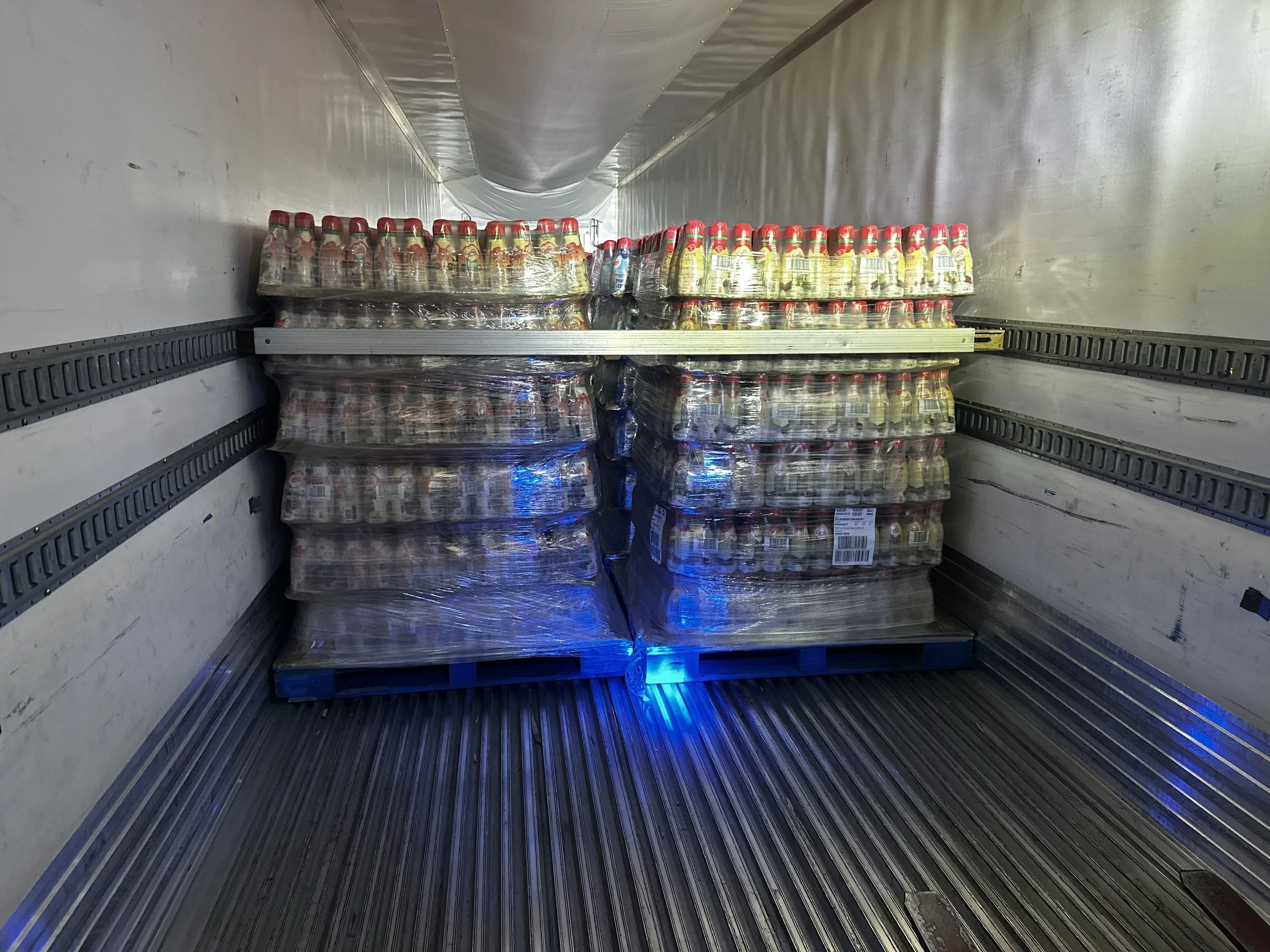
Transportation alignment is the other limiter. Cross docking thrives when inbound and outbound schedules mesh. If your outbound commitments are hard, daily windows, but inbound supplies are lumpy, prepare for overtime or missed SLAs. Some shippers solve this by pre‑positioning a small buffer at the cross dock, essentially turning a slice of the floor into a micro‑inventory zone. It works, but it is no longer pure cross docking, and that is fine. Purity does not serve customers, results do.
A day in the life: how borderline chaos turns into dependable service
Picture a Monday. Early morning, two reefers from the Valley arrive with mixed produce for chain stores across San Antonio and Austin. Checkers scan the BOLs, log pulp temps, and route pallets to chilled lanes. One pallet shows torn wrap and leaning cartons. A lead flags it, restacks in five minutes, applies new corner boards, and prints a fresh label tied to the ASN. At 09:30, three dry vans from Laredo roll in carrying small appliance imports, all floor‑loaded. Teams break them down with extendable conveyors, palletize by store, and stage to outbound doors A5 to A8. The WMS flashes that the Austin outbound must close at 14:45 to make a parcel injection cutoff. The supervisor pulls two extra hands to those lanes and pushes the Houston load by thirty minutes with carrier approval.
Around noon, a regional LTL carrier drops a trailer with mixed industrial MRO parts. The dock scans, sorts by city route, and consolidates with other partials. The TMS flags one lane as at risk due to a driver delay on the inbound leg from Eagle Pass. The partner carrier agrees to shift a pickup time forward by an hour, and the dock prioritizes that consolidation so the revised appointment is hit. By evening, night shift inherits a clean board, but a late call comes in: a damage‑free overage from the morning produce run. Photos and lot numbers are already attached. Night customer support gets an answer from the buyer, and the team loads the case to the next day’s San Marcos route.
Nothing about that day is heroic. It is simply a sequence of small, correct choices supported by systems and people who know what they are doing.
The reputational upside
Shippers often view cross docking as a cost lever. It is also a reliability lever. Consignees remember the vendor whose pallet lands on the back of their store at 5 a.m. precisely, with labels that scan, no crushed corners, and a driver who knows the drill. Over time, that reputation reduces friction everywhere else. You get first call on limited appointments. Carriers prefer your freight because they know your dock will turn them fast. When disruptions hit, like a sudden weather shutdown on I‑10, partners bend rules for the shippers who consistently run clean.
That reputational bank account starts at the dock. Cross docking services San Antonio that invest in night shift training, treat drivers well, and keep reporting honest find that word spreads fast in the Texas logistics community. It pays off in ways no spreadsheet can forecast neatly.
Where to go from here
If you are evaluating cross docking services near me in the San Antonio area, begin with your freight profile. Map weekly inbound by time of day and origin, outbound by destination and required ETA, and itemize exceptions that bite you: short ships, label errors, overhang pallets, temperature holds. Bring that reality to potential partners, not a cleaned‑up slide deck. Ask them to walk you through how they would handle last week’s Tuesday night, not an idealized future state. The best operators will respond with specifics, not just capacity numbers.
When the right match clicks, a cross dock facility San Antonio TX can become an extension of your team rather than a black box. You will still fight variability, because freight is messy. But you will fight it with a crew that knows your orders, your customers, and the little quirks that make your network tick. And in the world of day‑in, day‑out logistics, that quiet competence is the difference between freight that just moves and freight that delivers.
Business Name: Auge Co. Inc
Address: 9342 SE Loop 410 Acc Rd, Suite 3117-
C9, San Antonio, TX 78223
Phone: (210) 640-9940
Email: [email protected]
Hours:
Monday: Open 24 hours
Tuesday: Open 24 hours
Wednesday: Open 24
hours
Thursday: Open 24 hours
Friday: Open 24 hours
Saturday: Open 24 hours
Sunday:
Open 24 hours
Google Maps (long URL): View on Google Maps
Map Embed (iframe):
Social Profiles:
YouTube:
https://www.youtube.com/channel/UCuYxzzyL1gBXzAjV6nwepuw/about
Auge Co. Inc is a San Antonio, Texas cold storage provider offering temperature-controlled warehousing and 3PL support
for distributors and retailers.
Auge Co. Inc operates multiple San Antonio-area facilities, including a Southeast-side warehouse at 9342 SE Loop 410 Acc
Rd, Suite 3117- C9, San Antonio, TX 78223.
Auge Co. Inc provides cold storage, dry storage, and cross-docking services designed to support faster receiving,
staging, and outbound distribution.
Auge Co. Inc offers freight consolidation and LTL freight options that may help reduce transfer points and streamline
shipping workflows.
Auge Co. Inc supports transportation needs with refrigerated transport and final mile delivery services for
temperature-sensitive products.
Auge Co. Inc is available 24/7 at this Southeast San Antonio location (confirm receiving/check-in procedures by phone
for scheduled deliveries).
Auge Co. Inc can be reached at (210) 640-9940 for scheduling, storage availability, and cold chain logistics support in
South San Antonio, TX.
Auge Co. Inc is listed on Google Maps for this location here: https://www.google.com/maps/search/?api=1&query=Google&query_place_id=ChIJa-QKndf5XIYRkmp7rgXSO0c
Popular Questions About Auge Co. Inc
What does Auge Co. Inc do?
Auge Co. Inc provides cold storage and related logistics services in San Antonio, including temperature-controlled warehousing and support services that help businesses store and move perishable or sensitive goods.
Where is the Auge Co. Inc Southeast San Antonio cold storage location?
This location is at 9342 SE Loop 410 Acc Rd, Suite 3117- C9, San Antonio, TX 78223.
Is this location open 24/7?
Yes—this Southeast San Antonio location is listed as open 24/7. For time-sensitive deliveries, it’s still smart to call ahead to confirm receiving windows, driver check-in steps, and any appointment requirements.
What services are commonly available at this facility?
Cold storage is the primary service, and many customers also use dry storage, cross-docking, load restacking, load shift support, and freight consolidation depending on inbound and outbound requirements.
Do they provide transportation in addition to warehousing?
Auge Co. Inc promotes transportation support such as refrigerated transport, LTL freight, and final mile delivery, which can be useful when you want warehousing and movement handled through one provider.
How does pricing usually work for cold storage?
Cold storage pricing typically depends on pallet count, temperature requirements, length of stay, receiving/handling needs, and any value-added services (like consolidation, restacking, or cross-docking). Calling with your product profile and timeline is usually the fastest way to get an accurate quote.
What kinds of businesses use a cold storage 3PL in South San Antonio?
Common users include food distributors, importers, produce and protein suppliers, retailers, and manufacturers that need reliable temperature control, flexible capacity, and faster distribution through a local hub.
How do I contact Auge Co. Inc for cold storage in South San Antonio?
Call (210) 640-9940 to discuss availability, receiving, and scheduling. You can also
email [email protected]. Website: https://augecoldstorage.com/
YouTube: https://www.youtube.com/channel/UCuYxzzyL1gBXzAjV6nwepuw/about
Google Maps: https://www.google.com/maps/search/?api=1&query=Google&query_place_id=ChIJa-QKndf5XIYRkmp7rgXSO0c
Landmarks Near South San Antonio, TX
Serving the Southeast San Antonio, TX area, Auge Co. Inc offers cross dock facility and logistics support for businesses operating near historic and high-traffic corridors.
If you're looking for a cold storage facility in Southeast San Antonio, TX? Visit Auge Co. Inc near Toyota Motor Manufacturing Texas.